Pashupatinath
 Basantapur kathmandu
- 38 reviews
 38 Comments
 Write Review
 View
Gallery
View
Gallery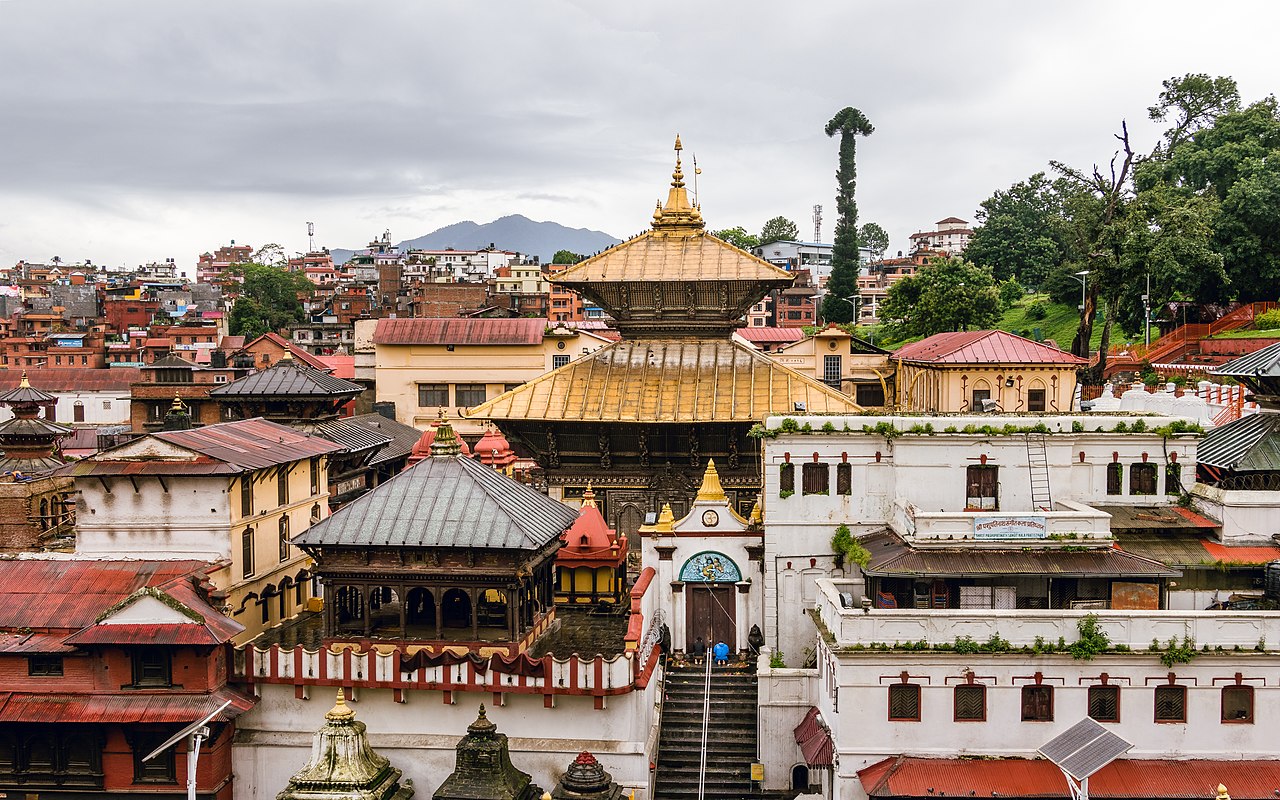
About
The Pashupatinath temple, dedicated to lord shiva who is also known as “Pashupati”, a form of Shiva is located on the bank of the holy Bagmati river in Kathmandu, Nepal which symbolises the timeless spiritual carrying different cultural aspects. The name “Pashupatinath” is derived from the combination of the two words— one is “Pashu” which means “animal” or “Living thing” and the other is “Pati” which means “Lord” or “Master”. The name of the temple is translated as “Lord of Animals” or “Lord of all living things” reflecting its importance in hinduism and buddhism as a holy place of lord shiva and buddhists spiritual grand masters (tantric gurus).
Talking about its architectural design, it reflects the pure Newari culture. The main temple consists of two-level roofs which are made from copper with gold covering on its surface. The wooden crafts design with intricate carvings and its fascinating decorations highlights the traditional design and artistic history. People from all over the world visit this pilgrimage site for performing different rituals and the death funeral. It is believed that the dead people's souls will get a pathway to rest peacefully in heaven or in more common terms the soul will get “Mukti” which is also called liberation in western culture. Pashupatinath covers various spiritual connections and also provides a way to achieve enlightenment through various sadhanas (tantric evocation).
It is often called as the land of Ancient Sages, Rishimuni, Guru Gorakhnath, Matsyendranath, Padmasambhava(Guru Rinpoche), Naropa and Tilopa. This place is also listed in the UNESCO world heritage site which adds its status to the cultural and historical value. The site covers an area of 2.5km square (246 hectares) and has 518 smaller shrines, ghats, and ashrams along the Bagmati river. This site connects the three main temples— “Vasuki Nath”, “Bhairav Nath” and “Guyeshwari” creating a favorable atmosphere which makes the place closer in terms of religion, architecture and customs overlapping together in a single globe.
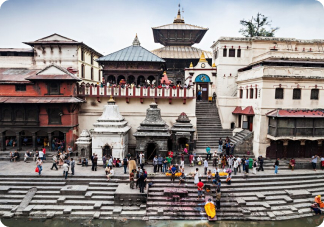
The sandhya arati is performed on a daily basis singing bhajans, kirtans of lord Shiva on the bank of the holy river near the cremation ghat. Performing such religious practices often symbolises divine connection with lord Shiva. On the way from cremation ghat, walking on the top stairs there comes a famous viewpoint where many couples, youths as well as the old age people visit for a sightseeing view of the site.
Comparatively, the economic market is improving day by day in the Pashupati area. Many people visit the stalls and markets to buy ancient medicines, jewellery, rudraksha beads and malas(originated from lord Shiva tears) which shapes the production quantity and export quantity as per the consumer needs and demand in a more reliable manner. The spiritual journey becomes more interesting on special occasions like Maha Shivaratri, Teej, Bala chaturdashi etc. Rituals like Wedding ceremony, Shraddha, Bratabandha are celebrated widely on this site which truly embarks the spiritual journey towards the lord shiva with devotion and dedication.

Read More
Experience
(8)
Reviews
(8)
Locate Us
Nearby Attractions
Experience Basantapur
Explore Basantapur


Jeanne A.
Istanbul, June 2023
Good
 18 Sep 2024
Basantpur Tower is an architectural beauty. The place takes you back in time with its wooded framework & unique design.
Jeanne A.
Istanbul, June 2023
Good
-
18 Sep 2024
Basantpur Tower is an architectural beauty. The place takes you back in time with its wooded framework & unique design.
Jeanne A.
Istanbul, June 2023
Good
-
18 Sep 2024
Basantpur Tower is an architectural beauty. The place takes you back in time with its wooded framework & unique design.