Swayambhu
 Basantapur kathmandu
- 38 reviews
 38 Comments
 Write Review
 View
Gallery
View
Gallery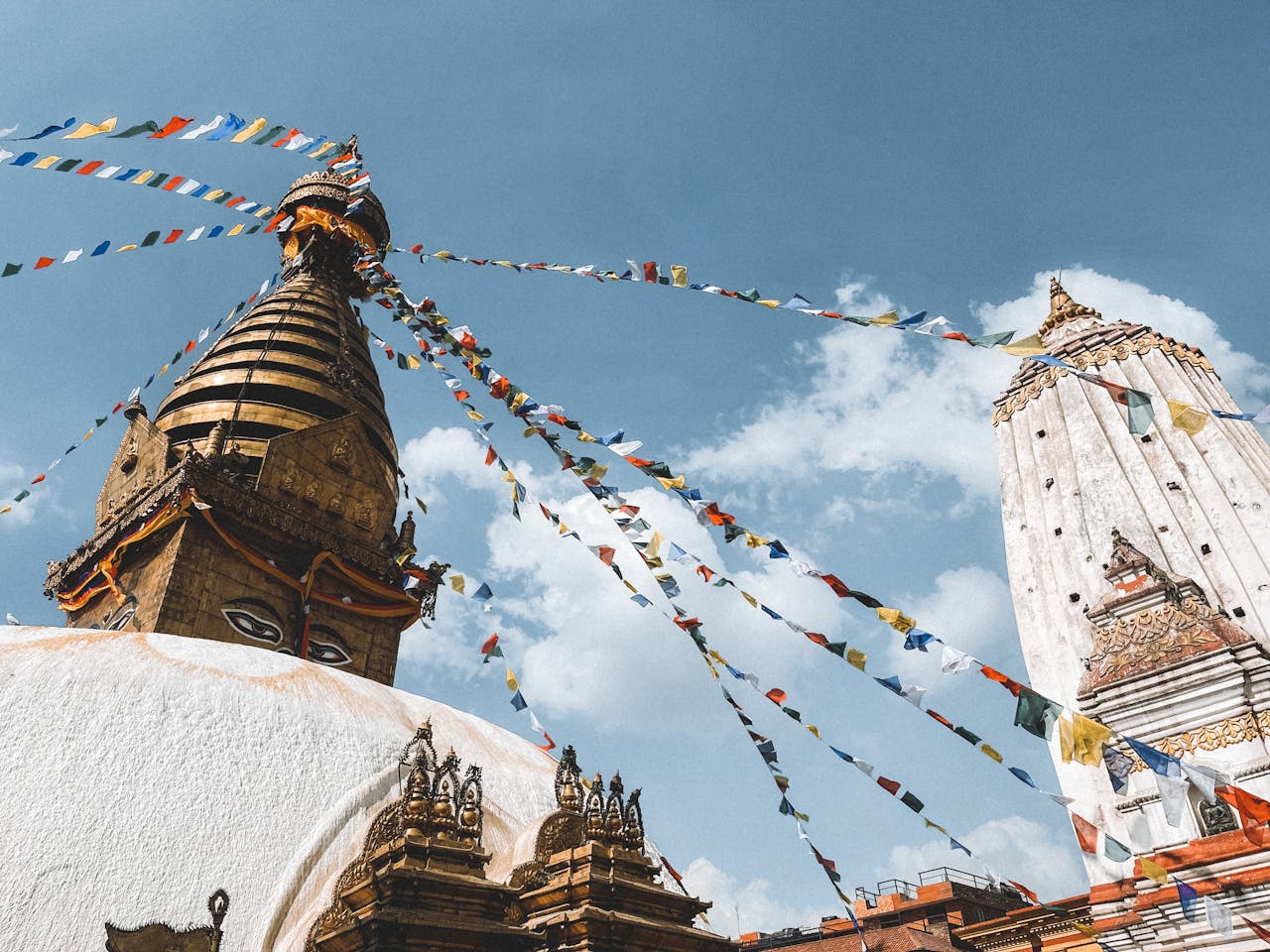
About
Swayambhunath stupa is located on the northwest part of the Kathmandu Valley at the top of the green hill. It is also named as a “Monkey Temple” as it lies in the forest areas which is a homeland for monkeys. The profound meaning of Swayambhu is “self-sprung” or “self-manifested” which reflects the holiest buddhist shrines and is a part of a UNESCO world heritage site since 1979. It is at least 1500 years old. Many hindu and buddhist people visit this site for spiritual awakening and attending enlightenment through deep meditation performing different techniques reaching through the five cosmic elements like air, water, fire, land and ether.
Moreover, the whitewashed dome at the base represents the earth. The base part around the stupa has four sides each facing the Pancha Budhhas statue (five Buddhas or five Tathagatas) which symbolises the five cosmic elements introduced through the Vajrayana practices. Among the five Buddhas, each Buddha represents the striking pose often called as Mudras in sanskrit.
The Pancha Buddhas are:
|
The architectural design of Swayambhunath consists of a half sphere with a cube in its top of its apex painted with the eyes of Buddha facing in all four directions. There is a thirteen-level gold spire and also has multiple shrines, temples, monasteries and museums. The open side of each cube faces north, east, west and south. On the top of the cube there are 13 tiers which represent the different stages of spiritual realisations needed for Buddhahood. There are carvings of Pancha Budhha(five buddhas) on each four sides of the stupa and also two lion statues guarding on the entrance.
Besides its importance, there are many tourist attractions representing ancient structures, Buddha statues, and prayer wheels which drive attention towards the visitors. The main attraction is the white-domed stupa and the city view from the top of the hill. The dazzling greenery forest shows the richness in biodiversity along with the sightseeing visits. This place is full of photogenic landscape where every visitor can snap a photo and enjoy the natural beautiness of geography. Also there is an availability of local handmade handicrafts and some domestic gift items such as paintings of Vajrapani, Vajrakilaya, Vajrayogini and Mandalas. Swayambhunath museum also reflects the nature of old centuries statues of different gods and goddesses.
Here is the list of Shrines, temples and places around the stupa.
|

Read More
Experience
(8)
Reviews
(8)
Locate Us
Nearby Attractions
Experience Basantapur
Explore Basantapur


Jeanne A.
Istanbul, June 2023
Good
 18 Sep 2024
Basantpur Tower is an architectural beauty. The place takes you back in time with its wooded framework & unique design.
Jeanne A.
Istanbul, June 2023
Good
-
18 Sep 2024
Basantpur Tower is an architectural beauty. The place takes you back in time with its wooded framework & unique design.
Jeanne A.
Istanbul, June 2023
Good
-
18 Sep 2024
Basantpur Tower is an architectural beauty. The place takes you back in time with its wooded framework & unique design.